Branding & Brand Design
Strategy-First. Design-Led.
We craft compelling brand identities built on strategic foundations and executed with design precision. From brand positioning and naming to logo systems, visual identity, brand guidelines, and packaging, we build brands that resonate with your target audience, differentiate you from competitors, and give your business the consistent visual and verbal language it needs to grow. Every brand we create is research-led, strategy-first, and designed to work across every medium your business operates in.
Overview
In every product category, the best brand wins more often than the best product. Not because customers are irrational - but because a strong brand communicates value, builds trust, and reduces the perceived risk of a purchase faster than any product attribute alone can. The brands that dominate their categories share a common trait: every touchpoint - the website, the packaging, the social presence, the sales materials, the customer communications - feels cohesive, intentional, and distinctly theirs. That consistency is not accidental. It is the output of a deliberate brand strategy executed across a complete visual identity system. At Levaras, we build brands from the strategy up. We do not hand you a logo and call it branding - we develop the positioning, the personality, the visual language, and the guidelines that allow your entire organization to show up consistently across every channel, every campaign, and every customer interaction for years to come.
Why It Matters
Strong brands command premium pricing. Research consistently shows that the top-performing brands in any category charge 13-18 percent more than undifferentiated competitors and still win the sale. Strong brands also reduce marketing costs: a brand that is recognized, trusted, and preferred requires less advertising spend to acquire new customers than an unknown brand competing on price. Customer loyalty - the most valuable and defensible competitive asset any business can build - is primarily a function of brand equity, not product features. Features are imitable; a brand is not. The businesses that invest in brand strategy and identity early build a compounding advantage: every customer interaction reinforces the brand, every piece of content builds recognition, and every referral carries brand credibility that no cold outreach can replicate. Delaying brand investment consistently leads to spending more on marketing, converting at lower rates, and building less loyal customer bases than those that prioritize it.
What we deliver
Brand Strategy: How We Define Your Positioning, Personality, and the Space You Own in Your Market
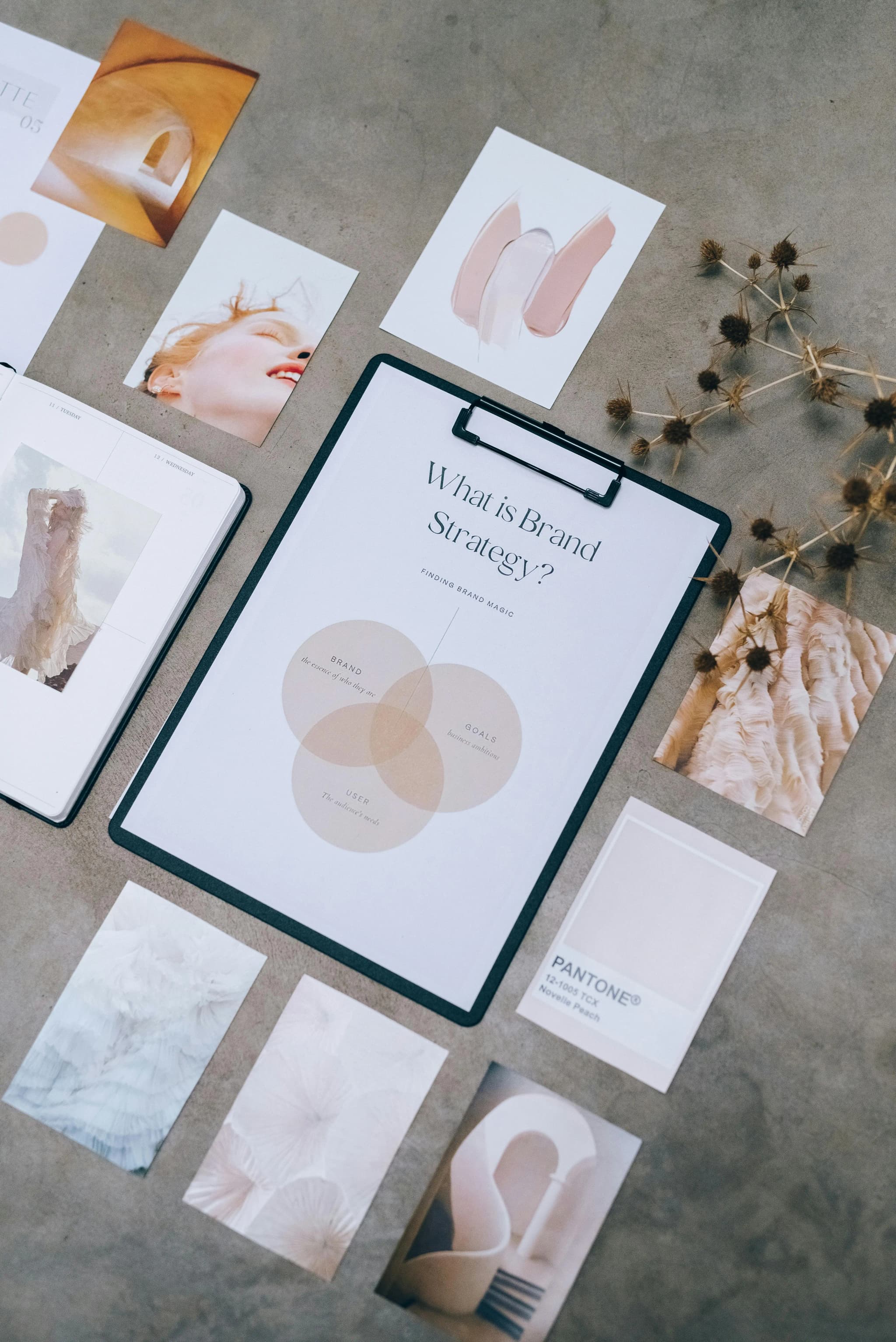
Brand strategy is the intellectual foundation of every design decision that follows. Without it, design is guesswork - aesthetically pleasing guesswork in the best case, but guesswork nonetheless. Our brand strategy process begins with research across three dimensions: market research mapping competitors and unclaimed positioning territories; audience research surfacing what your customers value, distrust, and the language they use to describe the problem your brand solves; and internal research identifying the founders' vision, the business model, and what the brand needs to accomplish commercially. From this research, we define your brand positioning statement - the single most important strategic artifact we produce - which articulates the unique space your brand occupies in your target customer's mind relative to competitors. We then develop the brand architecture: your purpose, your values, your personality archetypes, and your tone of voice. This strategy document becomes the decision-making framework for every design choice, every campaign, and every piece of communication your brand produces. Without it, every design decision is a negotiation between personal preferences rather than an evaluation against a standard.
Logo Design and Visual Identity Systems: What a Complete Brand Identity Actually Includes
A logo is a single mark. A brand identity is the complete visual system that makes your brand recognizable and consistent across every medium it appears in. The distinction matters enormously - a business that invests in a logo without a complete identity system spends years making inconsistent design decisions, producing materials that look vaguely related but not deliberately cohesive. We design complete visual identity systems that include: the primary logo and its approved variations - horizontal, stacked, icon-only, and reversed; a color palette with primary, secondary, and neutral colors specified in Hex, RGB, CMYK, and Pantone values for every reproduction context; a typography system with primary and secondary typefaces, size scales, weight hierarchy, and usage rules; an iconography style guide defining the visual language for any custom icons; a photography and imagery direction document specifying composition style, lighting, and color grading; and a motion principles guide for brands that operate in digital environments where animation is present. Every element is delivered in a comprehensive brand guidelines document with enough specificity that any designer can apply the identity correctly without further briefing.
Packaging Design: Why Physical Packaging Is Often a Brand's Most Powerful Touchpoint
For product-based businesses, packaging is the moment where the brand becomes tangible. It is the first physical interaction a customer has with the product, the backdrop for unboxing content that generates social media impressions, the item that sits on a retail shelf competing for attention against dozens of alternatives, and the recurring reminder of brand quality that appears every time the customer uses or repurchases the product. Packaging that communicates quality, reflects brand values, and creates a memorable unboxing experience is not a luxury - it is a commercial necessity in any category where competitors are competing on more than price. Our packaging design process covers structural form factor recommendations, material selection guidance including sustainable options, die-line development, print-ready artwork production, and supplier coordination for physical prototyping. We design for every context the packaging will appear in: on shelf, in e-commerce product photography, in unboxing video content, and in hands - because each context has different visual priorities. For brands with multiple SKUs, we develop a packaging system that allows the family to scale consistently as new products are added.
Brand Collateral: Extending Your Identity Across Every Business Touchpoint
A brand identity system is only as valuable as its consistent application across every touchpoint a customer, partner, or investor encounters. Inconsistent collateral - a pitch deck that does not look like the website, business cards that use a slightly different color, social media graphics that feel disconnected from the brand's personality - erodes the sense of professionalism and intentionality that a strong brand is supposed to communicate. We extend brand identities across the full range of business collateral: pitch decks and investor presentations designed with the same visual rigor as the brand identity itself; social media kits with templates for every major platform, sized correctly and designed consistently so your marketing team can create content that reinforces the brand rather than diluting it; business stationery including business cards, letterhead, and email signatures; signage and environmental graphics for physical locations; and marketing materials including brochures, one-pagers, and sales decks. Each piece is produced in formats appropriate for the medium - print-ready PDFs for physical production and editable templates for materials your team will need to update.
Market Research and Competitive Positioning: How Data Informs Brand Strategy
Brand decisions made without market research are expensive guesses. We conduct the research that gives brand strategy its foundation: competitive positioning analysis that maps every major competitor across the key dimensions your target customer uses to evaluate options - revealing the unoccupied positioning territories your brand can credibly claim; audience research including customer interviews, survey data, and social listening that surfaces the language, values, and buying triggers of your target customer in their own words; category trend analysis identifying the cultural and market shifts that will shape brand relevance over the next three to five years; and brand perception audits for established businesses undertaking a rebrand, which identify what existing customers value in the brand and what they wish were different. This research is synthesized into a strategic brief that defines the brand's positioning opportunity with specificity - not 'we should be more premium' but 'here is the precise positioning claim our target customer will find credible and differentiated, supported by the evidence.'
What's included
- —Brand Strategy & Positioning Development
- —Brand Architecture & Naming
- —Logo Design & Complete Visual Identity System
- —Color Palette, Typography & Iconography Systems
- —Brand Guidelines & Style Documentation
- —Packaging Design & Structural Development
- —Market & Competitor Research
- —Audience Research & Persona Development
- —Brand Collateral (Pitch Decks, Social Kits, Stationery)
- —Rebrand Strategy & Brand Equity Audits
“A great brand is built once and earns returns for decades. It reduces acquisition costs, commands premium pricing, builds the kind of customer loyalty that competitors cannot buy, and gives your organization the clarity to make consistent decisions at scale. At Levaras, we build brands that earn it.”
Common questions
Branding & Brand Design - FAQ
What is the difference between a logo and a brand identity, and does my business need both?▾
A logo is a single visual mark - a symbol, wordmark, or combination that represents your business. A brand identity is the complete visual system in which that logo operates: the color palette, typography, iconography, photography direction, and the rules for how all of these elements work together across every medium. A logo without a brand identity system leads to inconsistent application - different colors, fonts, and visual styles appearing across different materials - which undermines the recognition and professionalism the logo is meant to communicate. If your business operates across more than one channel, you need a complete brand identity.
How do you develop a brand positioning strategy and how long does it take?▾
Brand positioning development begins with a research phase covering your market, your competitors, and your target audience. We conduct competitor audits, customer interviews or surveys where accessible, and an internal discovery session with your team. From this research, we develop a positioning statement - the single articulation of the unique value your brand offers to a specific audience in a way that is differentiated from competitors - along with a brand architecture document covering purpose, values, personality, and tone of voice. The full brand strategy process typically takes 2-3 weeks and serves as the foundation for all design work that follows.
How many logo concepts do we receive and how many rounds of revisions are included?▾
Our logo design process is structured around direction selection rather than volume of concepts. We present 2-3 distinct strategic directions after the strategy phase is complete - each direction represents a fundamentally different visual interpretation of the brand positioning, not simply variations on the same idea. You select the direction that best represents the brand's intended positioning and personality, and we refine within that direction through 2-3 rounds of focused feedback. This approach produces better results than presenting ten variations, because it forces strategic alignment before visual refinement begins. All files are delivered in every standard format with dark, light, and monochrome variants.
Can you rebrand an existing business without losing the brand recognition we have already built?▾
Yes - and protecting existing brand equity is the central challenge of any rebrand. Our process begins with a brand equity audit that identifies which specific elements of your existing identity carry the most recognition with your current customers: the color, the logo mark, the typography, or the name. Elements with high equity are evolved rather than replaced - modernized while retaining their recognizable DNA. Elements that are holding the brand back are replaced. The result is a refreshed identity that feels new and elevated to new audiences while remaining familiar to existing customers. We also develop a brand transition plan managing how the new identity is rolled out across different touchpoints over time.
What do I receive at the end of a branding project?▾
At the end of every branding project, you receive a comprehensive delivery package: all logo files in every format - SVG, EPS, PDF, PNG, JPG - in every approved variation including primary, horizontal, icon-only, reversed, and monochrome; color specifications in Hex, RGB, CMYK, and Pantone for every palette color; a complete brand guidelines document covering every element of the identity system with usage rules and examples of correct and incorrect application; and all agreed-upon collateral files in print-ready and digital formats. Everything is organized in a structured folder system your team can reference and distribute without further assistance.
How does branding affect SEO and digital marketing performance?▾
Brand strength has a measurable and growing impact on SEO performance. Google's algorithm increasingly incorporates brand signals - direct searches for your brand name, brand mentions across the web, and user engagement metrics on branded search results - as quality signals that influence rankings for non-branded queries. A strong brand that generates direct search volume and earns mentions across authoritative publications builds domain authority organically. In paid search, brand recognition reduces cost-per-click on brand terms and improves quality scores on non-brand campaigns because users who recognize the brand are more likely to click and convert.
How long does a complete brand identity project take from strategy to final delivery?▾
A complete brand identity project - including brand strategy, logo design, full visual identity system, and brand guidelines - typically takes 5-8 weeks from kickoff to final delivery. The timeline breaks down as: brand strategy and research 1-2 weeks, logo concept development 1 week, direction selection and refinement 1 week, full visual identity system development 1-2 weeks, brand guidelines production 1 week, and final delivery and handoff. Timelines extend when feedback cycles are delayed or scope expands to include additional collateral. Projects with packaging, extensive collateral, or naming work require additional time scoped separately.
Do you offer brand naming services, and how does the naming process work?▾
Yes. Brand naming is offered as a standalone service or as part of a complete brand strategy engagement. Our naming process covers three phases: strategic criteria definition establishing what the name must communicate and what the linguistic, cultural, and trademark requirements are; name generation producing hundreds of name candidates organized into strategic directions including descriptive, invented, evocative, and metaphorical; and name evaluation screening candidates against trademark databases, domain availability, and cultural appropriateness in all target markets before presenting a shortlist. The final shortlist contains 5-10 names each with a rationale explaining the strategic fit and a preliminary trademark screening. We recommend engaging a trademark attorney to conduct a full clearance search before final selection.
More from Levaras